
Practical Garden Pumps Buying Guide
Quick Answer
A garden pump’s job (moving water from point A to point B) sounds simple, but matching pump type to the actual water source — a rain barrel, a well, a pond — determines whether it will even work, before efficiency or price become relevant considerations.
Surface Pumps vs. Submersible Pumps
- Surface pumps: sit outside the water source and draw water up through a suction hose, practical when there’s no room to submerge a pump or the source is shallow.
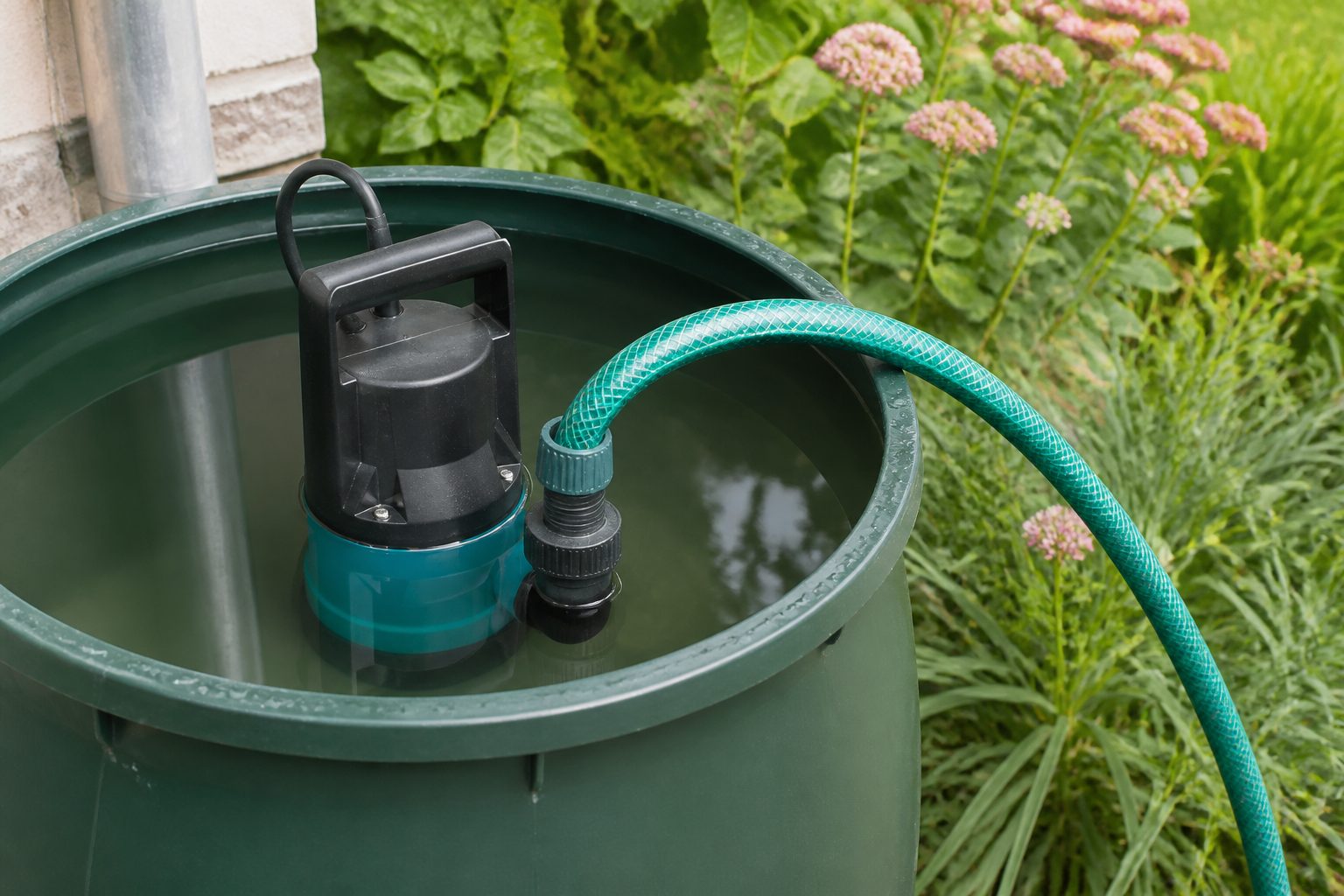
- Submersible pumps: sit directly in the water, generally quieter in operation and often more efficient since they push rather than pull water.
Suction Height Limits
Surface pumps have a real physical limit to how high they can draw water up via suction — typically a matter of meters, not unlimited — so checking a pump’s rated suction lift against the actual vertical distance from water source to pump matters before assuming any surface pump will work.
Flow Rate for the Actual Task
Filling a large volume quickly (like emptying a pond for cleaning) needs a higher flow rate than simply watering a garden bed — matching flow rate to the task avoids both an underpowered pump that takes forever and an oversized one that’s overkill for light watering.
Dry-Run Protection
A pump that keeps running after the water source empties can overheat and damage itself — automatic dry-run protection shuts the pump off before that damage occurs, a feature worth prioritizing over marginal flow-rate differences between models.
Debris Tolerance
Pumps drawing from a rain barrel or pond need some tolerance for small debris and sediment — a pump rated only for perfectly clean water can clog or jam quickly when used with real-world outdoor water sources.
Bottom Line
Confirming pump type matches the actual water source (submersible for barrels/ponds, surface with adequate suction lift for other setups) matters before comparing flow rates — dry-run protection and reasonable debris tolerance prevent the most common pump failures.