
Lawn Edger Buying Guide
A clean edge along a driveway, walkway or garden bed makes the whole lawn look more deliberate, even if the grass itself is unremarkable. Lawn edgers come in a few very different formats, so it helps to know what separates them before buying one.
Manual vs. Powered Edgers
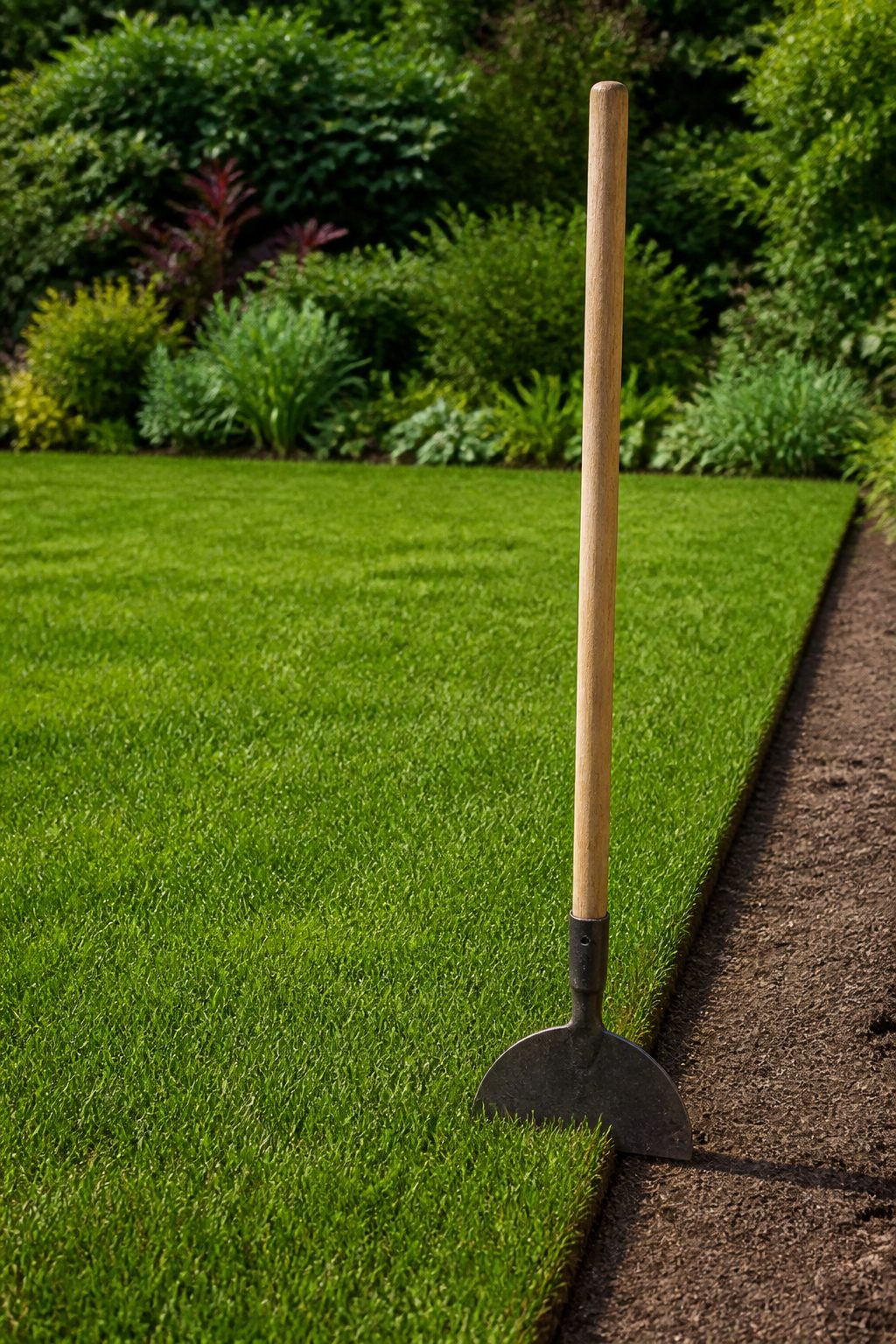
Manual edgers, whether a rolling half-moon blade or a simple flat spade-style edger, work by cutting a groove along the edge by hand. They cost little, need no power source, and are quiet, but they take more physical effort and are slower on longer edges. Powered edgers, whether corded electric, cordless battery, or gas, do the cutting for you and are much faster over long stretches of driveway or path, at the cost of more noise and a higher price.
Wheeled Edgers vs. String Trimmers
Dedicated wheeled edgers use a vertical, rotating blade guided by a wheel to cut a straight, consistent line, which tends to give the crispest result along hard edges like driveways and sidewalks. Many string trimmers can also pivot into an edging position, using the spinning line instead of a blade. This is a convenient two-in-one option if you already own or are buying a trimmer, but it generally produces a less precise line than a dedicated edger and can wear string down faster when used this way regularly.
Blade Depth Adjustment
The ability to adjust how deep the blade cuts matters more than it might seem. A shallow setting is enough for light touch-ups on an edge that is already established, while a deeper cut is needed when re-establishing a clean line that has grown over. Look for edgers with a few depth settings rather than a fixed blade, since one setting rarely suits both jobs well.
Where You’ll Use It
Edging along a hard surface like a driveway or sidewalk generally calls for a wheeled edger, since the wheel rides along the pavement and keeps the cut straight. Edging around curved garden beds is often easier with a string trimmer in edging mode, since it can follow irregular lines without needing to be guided by a wheel. If your property has both, it may be worth having access to both tools, or at least considering a trimmer with a good edging mode as a flexible middle ground.
Other Practical Considerations
- Weight and handle comfort: Edging often means pushing a tool along a long, straight run, so a comfortable grip and manageable weight matter for longer sessions.
- Battery or cord length: For powered edgers, make sure the runtime or cord reach covers the full length of your driveway or beds without a break.
- Storage: Wheeled edgers tend to be bulkier than trimmers; folding handles or compact designs help if storage space is limited.
Match the tool to how much edging you actually do. Occasional touch-ups rarely justify a dedicated powered edger, while a large property with a lot of hard edging benefits from one.
Product Comparison: Top Lawn Edgers
Edger performance depends a lot on power source and blade type. These models represent the range from budget electric to gas-powered.
| Product | Best For | Why It Stands Out |
|---|---|---|
| Worx WG896 Electric Lawn Edger | Best Overall | Worx’s corded edger line is a frequently recommended pick for consistent, crisp edges along driveways and walkways. |
| Black+Decker LE750 Electric Edger | Best Value | A widely available, affordable corded edger suited to smaller properties with moderate edging needs. |
| Ryobi ONE+ 18V String Trimmer/Edger | Best Two-in-One | Ryobi’s ONE+ platform lets a single battery power a trimmer that converts to edging mode, a practical option if you already own ONE+ tools. |
| Craftsman Gas Lawn Edger | Premium Pick | Craftsman’s gas-powered edgers are aimed at larger properties with extensive hard edging where battery or cord range would be limiting. |
As an Amazon Associate, StingyOwl earns from qualifying purchases at no extra cost to you.