
Pressure Washer Buying Guide
Quick answer
Electric pressure washers are lighter, quieter, and lower-maintenance — a good fit for cars, bikes, and patio furniture near a power outlet — while gas models deliver higher sustained pressure and flow for driveways, siding, and heavy-duty stripping jobs, at the cost of weight, noise, and engine upkeep.
Pressure washers vary enormously in power, price, and practicality, and the right one depends far more on what you plan to clean than on any single spec sheet number. Here is a straightforward look at what actually matters when choosing one.
Electric vs. Gas (Petrol) Models
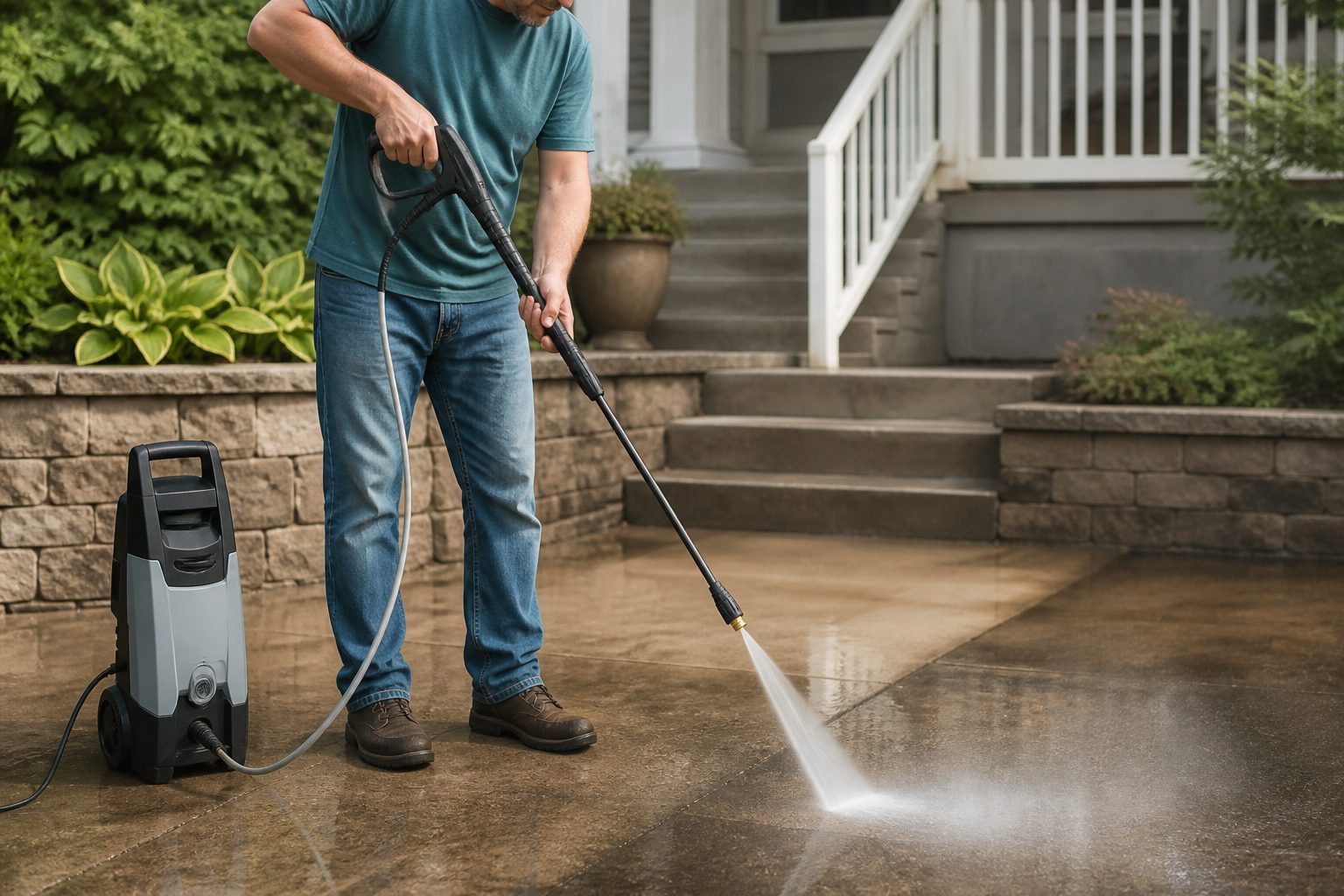
Electric pressure washers are lighter, quieter, and require far less maintenance, making them a good fit for cars, bikes, patio furniture, and smaller patio or decking areas, provided you have access to a power outlet. Gas or petrol models are heavier and noisier and need periodic engine maintenance (oil changes, fuel, spark plugs), but they deliver higher sustained pressure and flow, run anywhere without a cord, and are generally better suited to large driveways, siding, fencing, or heavy-duty stripping jobs. If your cleaning tasks are mostly light-to-moderate and near a power source, electric is usually the more convenient choice; if you need maximum power or portability away from mains power, gas is worth the extra weight and upkeep.
Understanding PSI/Bar and GPM/Flow Rate
PSI (pounds per square inch) or bar measures the pressure the machine produces, while GPM (gallons per minute) or liters per minute measures how much water it moves. Neither number alone tells you how effective a washer will be — cleaning power is really a function of both combined, often described as cleaning units (PSI × GPM). A washer with high pressure but low flow can blast paint off a surface but may struggle to rinse away loosened dirt quickly, while a higher-flow unit clears debris faster but may need more passes on stubborn grime. For most home tasks like cleaning vehicles, outdoor furniture, and small patios, moderate pressure is plenty; higher pressure ratings become more useful for driveways, concrete, and heavily soiled masonry, but they also increase the risk of damaging softer surfaces like wood siding or vehicle paint if used carelessly.
Cold Water vs. Hot Water Units
The vast majority of consumer pressure washers use cold water, which is perfectly adequate for dirt, mud, leaves, and general grime. Hot water units, far less common outside commercial and industrial settings, are more effective at breaking down grease, oil, and caked-on residue because heat helps dissolve those substances rather than just blasting them off mechanically. Unless you are regularly dealing with oily or greasy surfaces such as workshop floors or heavy equipment, a cold water unit will cover nearly all household and garden cleaning needs.
Nozzle Types and Their Uses
- 0-degree (red): A pinpoint jet with maximum impact; effective for tough, localized stains but risky on softer materials since it concentrates all the force in one spot.
- 15-degree (yellow): A narrow fan suited to stripping paint, removing mud, or cleaning concrete and driveways.
- 25-degree (green): A medium fan that is a good general-purpose choice for decks, siding, fences, and vehicles.
- 40-degree (white): A wide, gentle fan appropriate for more delicate surfaces such as cars, windows, and outdoor furniture.
- Soap/low-pressure nozzle (black): Designed to apply detergent at low pressure rather than to clean directly.
Many machines come with an adjustable or quick-connect nozzle set, which is worth having so you can switch between tasks without buying separate attachments.
Surface Cleaner Attachments
A surface cleaner is a round attachment with rotating jets underneath a protective housing, designed for flat areas like driveways, patios, and garage floors. It cleans far more evenly than a handheld wand, avoids the streaking that comes from inconsistent wand distance and speed, and covers ground much faster. If you have a lot of flat concrete or paving to clean regularly, a surface cleaner compatible with your washer’s pressure and connection size is a genuinely useful upgrade rather than a gimmick.
Safety Considerations
- Never point a pressure washer at people, pets, or fragile materials — even lower-pressure units can break skin or cause serious injury at close range.
- Wear eye protection and closed-toe shoes, and be cautious of the kickback force when first squeezing the trigger.
- Keep electrical connections away from water and use a residual current device (RCD) or ground-fault protected outlet with electric models.
- Test an inconspicuous area before cleaning painted surfaces, wood, or vehicles at full pressure, since it is easy to strip paint or gouge softer materials.
- Follow the manufacturer’s guidance on maximum operating pressure for any attachment, as exceeding it can cause hose or fitting failure.
Ultimately, the best pressure washer is the one matched to your actual cleaning tasks rather than the one with the highest PSI rating. Think about what you will clean most often, how much power that realistically requires, and whether portability or maximum performance matters more to you before deciding between an electric and a gas model.
Product Comparison: Top Pressure Washers
Pressure washer brands differ mainly between electric convenience and gas-powered muscle. These models are frequently recommended across each category.
| Product | Best For | Why It Stands Out |
|---|---|---|
| Karcher K5 Premium Electric Pressure Washer | Best Overall | Karcher is one of the most established pressure washer brands, and its K-series electric line is known for consistent build quality. |
| Sun Joe SPX3000 Electric Pressure Washer | Best Value | Sun Joe’s SPX line is a widely recommended, affordable electric option for cars, patios, and general home cleaning. |
| Ryobi 2,300 PSI Electric Pressure Washer | Best for Light-Duty Tasks | Ryobi’s electric pressure washer is a popular choice for occasional home use where a full gas unit would be overkill. |
| Simpson MegaShot Gas Pressure Washer | Premium Pick | Simpson’s gas-powered MegaShot line is well regarded for higher sustained pressure suited to driveways and heavy-duty cleaning. |
As an Amazon Associate, StingyOwl earns from qualifying purchases at no extra cost to you.
Key takeaways
- Electric: lighter, quieter, less maintenance — best for cars, bikes, and smaller patio areas near an outlet.
- Gas/petrol: heavier, noisier, needs engine maintenance, but delivers higher sustained pressure and flow with no cord.
- PSI/bar measures pressure; GPM/flow rate measures how much water moves — cleaning power depends on both together.
- High pressure with low flow can blast off paint but struggle to rinse away loosened dirt quickly.
Related Guides
We compare published specifications, pricing, and independent reviews — we do not run our own lab tests. Some links on this page are affiliate links.