
Garden Pump Buying Guide
A garden pump can save you a lot of effort, whether you are moving rainwater from a water butt, keeping a small pond circulating, or watering pots and beds from a balcony. The tricky part is that “garden pump” covers several very different types of equipment, and picking the wrong one means either wasted money or a pump that cannot do the job. Here is what actually matters when choosing one.
Submersible vs. Surface Pumps
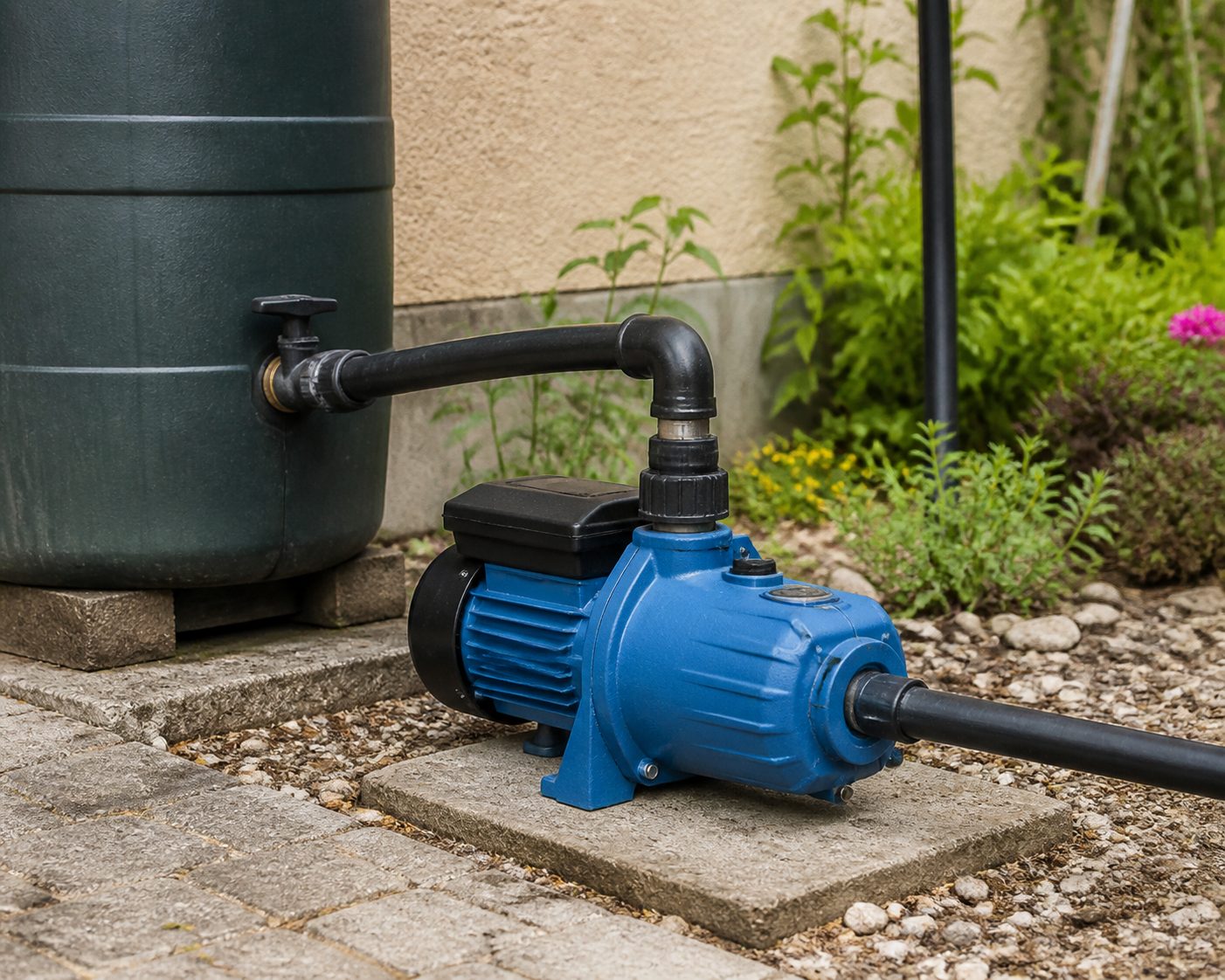
Submersible pumps sit inside the water source itself, such as a water butt, barrel, or pond. They are generally quieter, easier to install, and well suited to smaller balcony or patio setups because there is no separate housing to mount. Surface pumps sit outside the water and draw it in through a hose; they tend to be more powerful and better suited to larger irrigation jobs or drawing water from a distance, but they need priming and a dry, sheltered spot to sit. For a balcony where space is tight and the water source is a small container, a submersible pump is usually the more practical and lower-maintenance choice.
Flow Rate and Head Height
Two numbers matter more than any brand name: flow rate and head height. Flow rate, usually listed in liters per hour or gallons per hour, tells you how much water the pump can move under ideal conditions. Head height is the maximum vertical distance the pump can push water upward, and it directly reduces the real-world flow rate — a pump rated for a high flow at zero head may deliver much less once it has to lift water up to a raised planter or over the edge of a balcony railing. When comparing pumps, look at the flow rate at the head height you actually need, not just the headline number, since manufacturers usually publish a performance curve or at least a maximum head figure alongside the peak flow rate.
Matching the Pump to the Use Case
- Rain barrels and water butts: A small submersible pump with modest flow is usually enough, since the goal is simply moving stored water to a hose or watering can filling station rather than continuous circulation.
- Pond circulation: Ponds need a pump sized to turn over the pond’s total volume every one to two hours, plus enough head to reach a filter or fountain if one is fitted.
- Irrigation or drip watering: These systems often need steadier pressure over a longer run, so check that the pump can maintain flow across the full length of tubing and any elevation change involved.
- Balcony container watering: Prioritize a compact, quiet pump with an on/off switch or timer compatibility, since noise and space are usually the limiting factors rather than raw power.
Power Source
Mains-powered electric pumps offer the most consistent performance and are the standard choice where an outdoor socket is available, but always check the pump is rated for outdoor or wet-location use and run it through a residual current device (RCD) for safety. Battery-powered pumps are convenient where there is no nearby outlet, useful for occasional watering tasks, though they generally offer lower flow rates and shorter run times. Solar-powered pumps are appealing for off-grid ponds or fountains but their output varies with sunlight, so they are better suited to non-critical, intermittent use than to jobs that need reliable, continuous flow.
Other Practical Considerations
- Debris tolerance: If the water source collects leaves or sediment, look for a pump with a built-in strainer or pre-filter to avoid clogging.
- Hose fittings: Confirm the outlet size matches your existing hose or adapter before buying, since fittings vary between manufacturers.
- Duty cycle: Some inexpensive pumps are only rated for intermittent use; check the specification if you need continuous running.
- Cable and hose length: Make sure both are long enough to reach a suitable power outlet and your intended watering point without straining the connections.
There is no single best garden pump — the right choice depends on how far and how high you need to move water, how much water you need moved, and where your power source is. Working out those requirements first will narrow the field far more effectively than comparing marketing claims.
Product Comparison: Top Garden Pumps
Garden pump needs vary enormously by application, so these picks span the submersible, utility, and solar categories discussed above.
| Product | Best For | Why It Stands Out |
|---|---|---|
| Little Giant Submersible Pump | Best Overall | Little Giant is one of the most established pump brands, with submersible models widely used for ponds, fountains, and water butts. |
| Wayne WWB WaterBUG Submersible Pump | Best for Water Butts | Wayne’s compact submersible pumps are a common choice for moving stored rainwater efficiently from barrels and butts. |
| EcoPlus Submersible Utility Pump | Best Value | EcoPlus pumps are a frequently recommended budget-friendly option for general garden and small pond use. |
| ECO-WORTHY Solar Fountain Pump | Best for Off-Grid Use | A well-known solar pump brand suited to fountains or small ponds without easy access to mains power. |
As an Amazon Associate, StingyOwl earns from qualifying purchases at no extra cost to you.