
Best Cordless Drill Drivers for DIYers
Quick Answer
A cordless drill driver’s real-world usefulness comes down to torque settings, battery platform, and chuck size — not just voltage, which by itself says little about actual drilling and driving performance.
Clutch and Torque Settings
A wide range of clutch settings lets the driver stop applying torque once a screw is seated, preventing stripped screw heads or over-driven fasteners into soft material — a drill without adjustable clutch settings makes consistent screw depth much harder to control.
Chuck Size and Bit Compatibility
A 1/2-inch chuck accepts larger drill bits than the more common 3/8-inch chuck found on lighter-duty drivers — relevant mainly for occasional larger-diameter wood or masonry bits rather than everyday screw-driving tasks.
Battery Platform Considerations
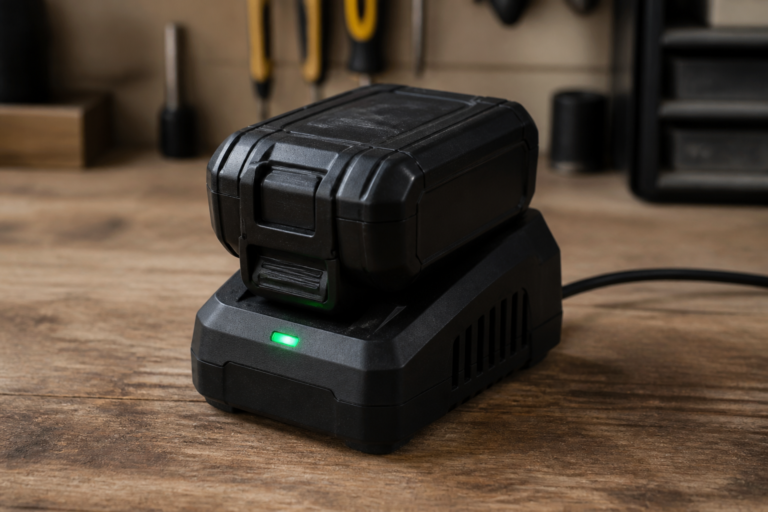
Buying into an existing cordless tool platform (same battery voltage and brand) lets batteries and chargers be shared across multiple tools — a real cost consideration beyond the drill itself, since batteries are often a significant portion of total system cost.
Brushless vs. Brushed Motors
Brushless motors run more efficiently, generate less heat, and typically last longer than brushed motors, translating to better battery life and less maintenance over the tool’s lifespan — usually worth the added upfront cost for regular use.
Two-Speed Gearboxes
A low-speed, high-torque setting suits driving large screws or drilling bigger holes, while a high-speed, lower-torque setting suits smaller bits and lighter driving — a single-speed drill compromises on one end of that range.
Bottom Line
Adjustable clutch settings and a brushless motor do more for everyday usability than headline voltage numbers — matching a new drill to an existing battery platform saves real money for anyone already invested in a particular tool brand.