
New Drain Cleaning Snakes Buying Guide
Quick Answer
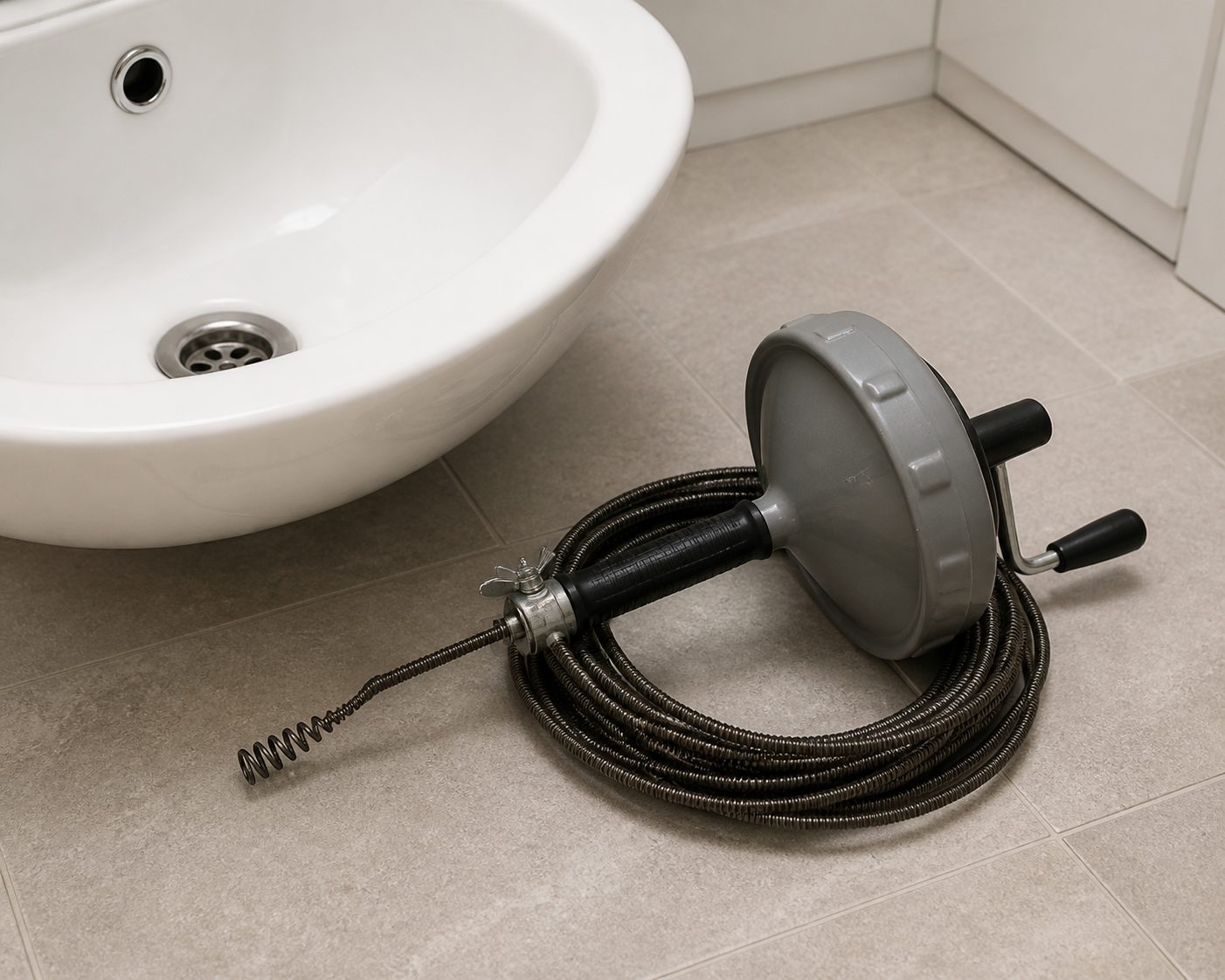
A drain cleaning snake (auger) physically breaks up or hooks a clog rather than dissolving it chemically — the right length and cable gauge depend on how far into the pipe the actual blockage sits, which isn’t always obvious from the fixture alone.
Hand-Crank vs. Powered Augers
- Hand-crank (manual) augers: suitable for clogs close to the drain opening, like sink and shower blockages, with cable lengths typically under 25 feet.
- Powered (motorized) augers: handle longer, tougher clogs deeper in the pipe, such as main sewer line blockages, but need more care to avoid damaging pipes with excess force.
Cable Gauge and Pipe Size
Thinner cables suit smaller drain lines (sinks, tubs), while thicker, more rigid cables are needed for larger-diameter main lines — using an undersized cable in a large pipe often fails to clear the clog effectively, while an oversized cable can be difficult to maneuver in smaller pipes.
Cable End Attachments
Different end attachments (straight auger tip, retrieval hook, or cutting head) suit different clog types — a straight tip works for pushing through soft blockages, while a cutting head handles more stubborn buildup like grease or root intrusion in main lines.
Avoiding Pipe Damage
Forcing an auger too aggressively, especially in older or corroded pipes, risks puncturing or scratching pipe walls — feeding the cable in steadily and stopping to reassess resistance, rather than pushing through it forcefully, reduces this risk.
When to Call a Professional
A clog that resists a properly sized auger, or recurring clogs in the same location, often signals a more serious issue (a significant blockage, tree root intrusion, or pipe damage) that’s better diagnosed with a camera inspection than repeated DIY attempts.
Bottom Line
Matching cable length and gauge to the actual pipe size and clog location, and using steady rather than forceful pressure, clears most drain clogs without pipe damage — persistent clogs are a sign to call in professional diagnosis rather than escalate DIY force.