
Recommended Multi-Tools Top Rated
Quick Answer
An oscillating multi-tool earns its place in a toolbox through sheer versatility — one tool body accepts blades and attachments for cutting, sanding, scraping, and grinding, though it rarely matches a dedicated tool’s speed or power at any single task.
How Oscillating Tools Work
Rather than spinning continuously like a drill or saw, the tool head oscillates rapidly back and forth through a small arc — this motion allows precise, controlled cuts in tight spaces where a full-rotation tool would be too aggressive or simply wouldn’t fit.
Common Attachments and Uses
- Plunge-cut blades: for flush cuts into drywall, wood, or plastic without a pilot hole.
- Sanding pads: for detail sanding in corners a random orbital sander can’t reach.
- Scraper attachments: for removing old adhesive, caulk, or flooring material.
- Grout removal blades: for tile regrouting jobs without damaging surrounding tile.
Attachment Compatibility Across Brands
Older multi-tool systems used proprietary, brand-specific attachment mounts, but most major manufacturers have since adopted a shared “starlock” or universal-style mount — checking compatibility before buying accessories from a different brand than the tool itself still matters, since some overlap and some don’t.
Corded vs. Cordless Power
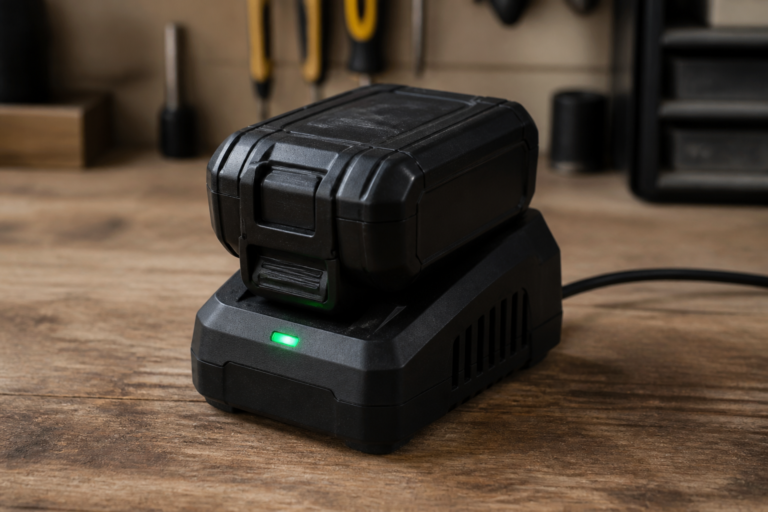
Cordless multi-tools offer convenience for quick tasks around the house, while corded models generally sustain higher power for longer jobs like extended plunge-cutting or grout removal.
Bottom Line
A multi-tool won’t replace a dedicated saw or sander for heavy repeated use, but for the odd flush cut, tight-corner sanding job, or scraping task, it covers more ground with one tool body than any single-purpose alternative.